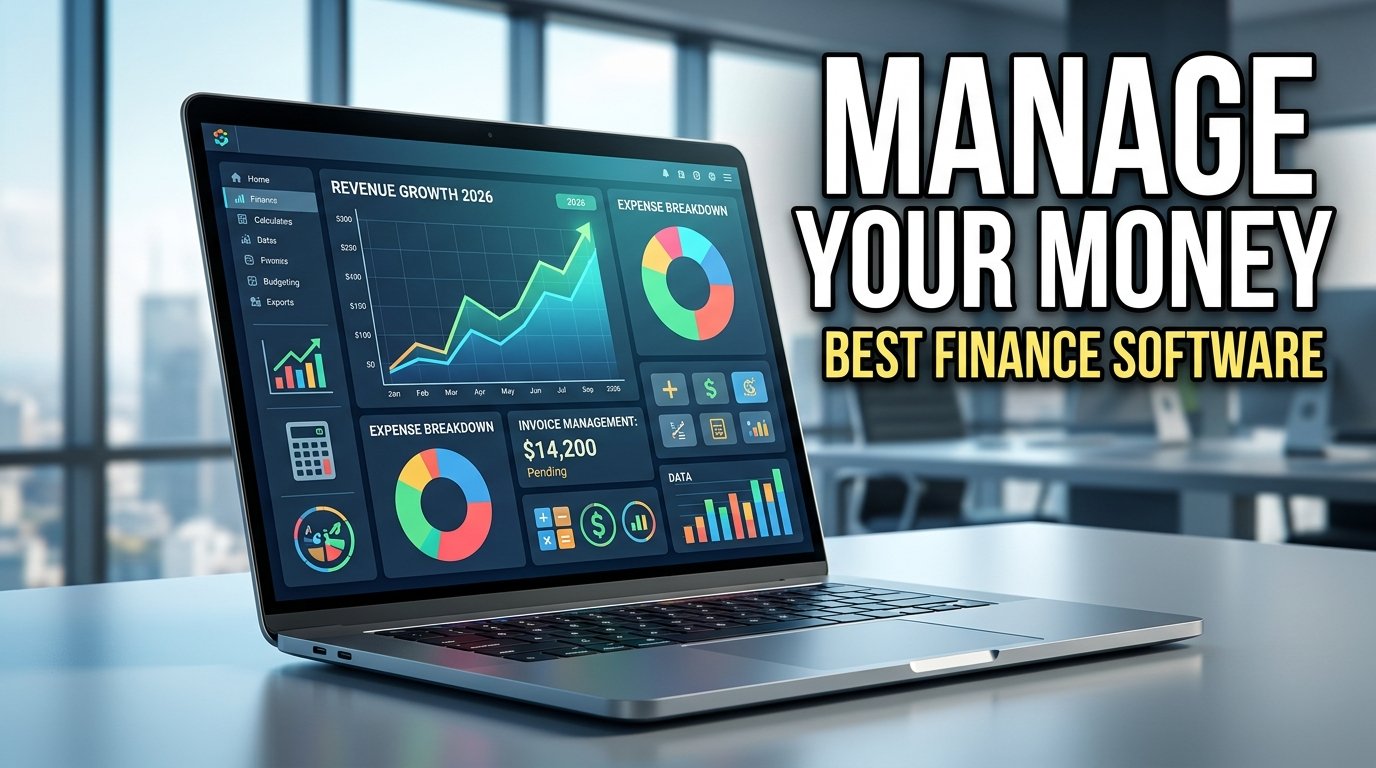
Introduction
Managing money has become increasingly important for individuals, freelancers, families, and businesses. Keeping track of income, expenses, invoices, budgets, and financial goals can be difficult when everything is managed manually.
Accounting and finance software can make financial management more organized.
These tools can help users:
- Track income
- Monitor expenses
- Create budgets
- Manage invoices
- Organize financial records
- Review reports
- Monitor cash flow
In 2026, many financial software tools offer automation, cloud access, mobile applications, reporting features, and integrations with other services.Best Accounting and Finance Software for Managing Money in 2026
However, choosing the right software depends on your specific needs.
A freelancer may need simple invoicing and expense tracking. A small business may need complete accounting and payroll features. A family may only need budgeting and spending tools.
This guide explains the main types of accounting and finance software and how to choose a solution that fits your financial goals.
What Is Accounting and Finance Software?
Accounting and finance software is designed to help users manage financial information.
Depending on the software, features may include:
- Budgeting
- Expense tracking
- Invoicing
- Bookkeeping
- Financial reporting
- Payroll
- Tax preparation supportBest Accounting and Finance Software for Managing Money in 2026
- Investment tracking
Different tools are designed for different users.
Some are intended for individuals, while others are designed for businesses.
1. Budgeting Software
Budgeting software can help users understand where their money goes.
A budgeting tool may help track:
- Income
- Rent
- Food
- Transportation
- Entertainment
- Subscriptions
- Savings
Creating a budget can help users make more informed financial decisions.
A good budgeting system should be realistic.
If a budget is too restrictive, it may be difficult to maintain.
2. Expense Tracking Software
Expense tracking software helps users monitor spending.
Some tools allow users to categorize expenses.
Common categories may include:
- Housing
- Food
- Transportation
- Utilities
- Entertainment
- Shopping
Reviewing spending patterns can help users identify areas where they may want to make changes.
3. Invoicing Software
Freelancers and businesses often need to send invoices.
Invoicing software can help create professional invoices that include:
- Customer information
- Services or products
- Prices
- Payment terms
- Due dates
Some tools may also track whether invoices have been paid.
This can help businesses manage cash flow.
4. Bookkeeping Software
Bookkeeping software can help businesses organize financial transactions.
It may assist with:
- Income records
- Expense records
- Bank reconciliation
- Financial reports
Accurate bookkeeping is important for understanding business performance.
Businesses should seek professional accounting advice when appropriate.
5. Payroll Software
Businesses with employees may need payroll software.
Payroll systems may help manage:
- Employee payments
- Pay schedules
- Records
- Deductions
Payroll requirements can vary depending on location.
Businesses should ensure that payroll processes follow applicable laws and regulations.
6. Tax Preparation Software
Tax software can help users organize information for tax preparation.
Some tools may assist with:
- Income information
- Deductions
- Tax forms
- Calculations
Tax rules can be complicated and change over time.
Software should not replace professional tax advice when a situation is complex.
7. Cash Flow Management
Cash flow is important for businesses.
Cash flow software can help businesses monitor:
- Money coming in
- Money going out
- Upcoming payments
- Available cash
Understanding cash flow can help business owners plan more effectively.
A profitable business can still experience cash flow problems if money is not available at the right time.
8. Financial Reporting
Financial reports can help users understand financial performance.
Common reports may include:
- Income statements
- Expense reports
- Balance sheets
- Cash flow reports
These reports can help business owners make informed decisions.
9. Cloud-Based Finance Software
Cloud-based software allows users to access financial information online.
Benefits may include:
- Access from multiple devices
- Automatic updates
- Data synchronization
- Easier collaboration
However, users should consider the provider’s security and privacy practices.
10. Mobile Finance Apps
Mobile apps can make it easier to manage money while traveling or away from a computer.
Users may be able to:
- Review transactions
- Check budgets
- Create invoices
- Monitor accounts
Mobile convenience can encourage more regular financial tracking.
11. Bank Integrations
Some finance software can connect with financial accounts.
This may help import transactions automatically.
However, users should understand:
- What information is shared
- How connections work
- How security is handled
Only connect financial accounts through trusted services.
12. Financial Dashboards
A financial dashboard can show important information in one place.
It may display:
- Income
- Expenses
- Savings
- Cash flow
- Financial trends
A dashboard can make financial information easier to understand.
How to Choose Accounting Software
Identify Your Needs
Start by asking:
- Am I managing personal finances?
- Do I run a business?
- Do I need invoicing?
- Do I need payroll?
- Do I need tax features?
Your answers will help narrow down your choices.
Consider Your Budget
Finance software may have:
- Free plans
- Monthly subscriptions
- Annual plans
- Per-user pricing
Compare the features included in each plan.
Check Ease of Use
Software should be easy enough for you or your team to use regularly.
Complicated software may create unnecessary frustration.
Review Security
Financial information is sensitive.
Review security features such as:
- Encryption
- Multi-factor authentication
- Account protection
- Data security policies
Check Integrations
If you already use other software, check whether the finance tool integrates with it.
Benefits of Finance Software
Better Organization
Financial information can be kept in one system.
Time Savings
Automation can reduce manual data entry.
Improved Visibility
Reports can help users understand financial performance.
Easier Invoicing
Businesses can create and track invoices.
Better Budget Awareness
Users can monitor spending patterns.
Limitations of Finance Software
Software Errors
No system is perfect.
Review financial information regularly.
Security Risks
Online accounts require strong security practices.
Subscription Costs
Monthly software fees can add up.
Learning Curve
Some advanced tools require training.
Common Money Management Mistakes
Not Tracking Expenses
Without tracking, it may be difficult to understand spending.
Ignoring Small Purchases
Small expenses can add up over time.
Mixing Personal and Business Finances
Business owners may benefit from keeping business and personal finances organized separately.
Not Backing Up Records
Important financial information should be protected.
Ignoring Professional Advice
Complex financial, tax, and accounting issues may require qualified professional assistance.
Simple Finance Software Setup
A beginner may start with:
Budgeting
Track income and regular expenses.
Expense Tracking
Categorize spending.
Savings Goals
Monitor progress toward financial goals.
Financial Records
Keep important documents organized.
Businesses may also need:
- Invoicing
- Bookkeeping
- Payroll
- Tax support
How to Use Finance Software Effectively
Review Your Finances Regularly
Check your financial information on a consistent schedule.
Keep Information Accurate
Incorrect data can lead to incorrect conclusions.
Use Categories
Organize transactions into clear categories.
Set Financial Goals
Goals can help you focus on priorities.
Protect Your Account
Use strong passwords and additional security features.
Final Thoughts
Accounting and finance software can make money management more organized and efficient.
Individuals can use budgeting and expense tracking tools to understand their spending.
Freelancers can use invoicing and financial tracking software.
Small businesses may benefit from bookkeeping, payroll, cash flow, and reporting tools.
The best software depends on your specific needs, budget, financial complexity, and level of technical knowledge.
Before choosing a service, compare features, pricing, security, integrations, and ease of use.
Technology can make financial management easier, but users should still review their information carefully.
For complex tax, accounting, or financial matters, consider consulting a qualified professional.
Disclaimer: This article is for general informational purposes only and does not constitute financial, tax, accounting, or investment advice. Financial software features, pricing, laws, and regulations can change over time. Seek qualified professional advice for decisions specific to your situation.