Introduction
Healthy eating is one of the most important habits you can develop for your overall well-being. The food you eat provides energy for your daily activities and supplies nutrients that support normal body function.
However, many beginners find nutrition confusing. There are countless diets, food trends, supplements, and conflicting opinions online. One person may recommend avoiding carbohydrates, while another may promote a high-protein diet. Some people believe healthy eating requires expensive foods or complicated meal plans.
The truth is that healthy eating does not have to be complicated.
For most people, a balanced eating pattern can be built through simple, consistent habits. You do not need to completely change your diet overnight. You can begin by making small improvements, learning about different food groups, and creating meals that are nutritious, enjoyable, and realistic for your lifestyle.
This guide explains simple nutrition habits that can help beginners develop a healthier approach to eating.
What Does Healthy Eating Mean?
Healthy eating generally means consuming a variety of foods that provide the nutrients your body needs.Healthy Eating for Beginners: Simple Nutrition Habits That Work
A balanced eating pattern may include:
- Fruits
- Vegetables
- Whole grains
- Protein-rich foods
- Healthy fats
- Adequate fluids
The exact foods and amounts needed can vary from person to person.
Factors such as age, activity level, health conditions, cultural preferences, and personal goals can influence dietary needs.
Healthy eating is not about achieving perfection.
It is about creating an overall pattern of choices that supports your health and lifestyle.
1. Focus on Food Variety
Eating a variety of foods can help provide different nutrients.
Instead of eating the same foods every day, try including different options.
For example, you might vary your:Healthy Eating for Beginners: Simple Nutrition Habits That Work
- Fruits
- Vegetables
- Protein sources
- Whole grains
- Healthy fats
Different foods provide different nutrients.
A varied diet can also make meals more enjoyable and interesting.
2. Eat More Fruits and Vegetables
Fruits and vegetables are important parts of many balanced eating patterns.
They can provide:
- Vitamins
- Minerals
- Fiber
- Water
- Other beneficial nutrients
Try adding more fruits and vegetables to your meals.
Simple ideas include:
- Adding fruit to breakfast
- Eating vegetables with lunch
- Including a salad with dinner
- Keeping fruit available for snacks
You do not need to completely change your diet in one day.
Start by adding one extra serving at a time.
3. Choose More Whole Foods
Whole foods are generally foods that are minimally processed.
Examples include:
- Fruits
- Vegetables
- Beans
- Lentils
- Whole grains
- Nuts
- Seeds
- Eggs
- Fish
- Lean meats
These foods can be part of a balanced diet.
Highly processed foods can also be included in moderation, depending on your overall eating pattern.
The goal is to create balance rather than follow extreme rules.
4. Include Protein-Rich Foods
Protein is an important nutrient that supports many normal body functions.
Protein-rich foods may include:
- Eggs
- Fish
- Chicken
- Meat
- Beans
- Lentils
- Dairy products
- Tofu
- Nuts and seeds
Including protein in meals may help make them more satisfying.
Your individual protein needs can vary.
People with specific health conditions or dietary goals may benefit from professional nutrition advice.
5. Choose Healthy Sources of Fat
Fat is an important part of a balanced diet.
Some sources of unsaturated fats include:
- Nuts
- Seeds
- Avocados
- Olive oil
- Certain fish
Fat contains more calories per gram than protein or carbohydrates, so portion sizes may be important depending on your goals.
Rather than eliminating all fat, focus on including a variety of nutritious sources.
6. Understand Carbohydrates
Carbohydrates are a source of energy.
They can be found in foods such as:
- Rice
- Potatoes
- Oats
- Bread
- Fruits
- Beans
- Pasta
The quality and amount of carbohydrates you need can vary.
Many people choose to include more whole-grain and fiber-rich carbohydrate sources.
Carbohydrates do not need to be automatically eliminated from a balanced diet.
7. Drink Enough Fluids
Hydration is an important part of overall health.
Water is a common choice for staying hydrated.
Fluid needs vary depending on factors such as:
- Weather
- Physical activity
- Diet
- Individual health
Try to drink fluids regularly throughout the day.
If you are physically active or in a hot environment, you may need to pay additional attention to hydration.
8. Reduce Excessive Added Sugar
Many foods and drinks contain added sugar.
Examples may include:
- Soft drinks
- Sweetened beverages
- Candy
- Desserts
- Some packaged foods
Consuming large amounts of added sugar can make it more difficult to maintain a balanced diet.
You do not necessarily need to eliminate every sweet food.
Instead, consider reducing excessive intake and choosing nutritious foods more often.
9. Pay Attention to Portion Sizes
Even nutritious foods can contribute to excessive calorie intake if eaten in very large portions.
Learning to recognize appropriate portions can help you create balanced meals.
You do not need to measure every food forever.
Over time, you can develop a better understanding of portion sizes.
Eating slowly may also help you recognize when you are becoming satisfied.
10. Eat More Mindfully
Mindful eating means paying attention to your food and eating experience.
Try to notice:
- Hunger
- Fullness
- Taste
- Texture
- Eating speed
Many people eat while watching television or scrolling on their phones.
This can make it easier to eat without noticing how much food has been consumed.
Eating without distractions when possible may help you pay greater attention to your meal.
11. Plan Your Meals
Meal planning can make healthy eating easier.
Before the week begins, consider planning:
- Breakfasts
- Lunches
- Dinners
- Snacks
Meal planning can help you:
- Save time
- Reduce impulse food purchases
- Use groceries more efficiently
- Make balanced choices
Your plan does not need to be complicated.
Even planning a few meals can make a difference.
12. Prepare Food at Home
Preparing food at home gives you greater control over ingredients and portion sizes.
You can choose:
- The amount of salt
- The amount of sugar
- The cooking method
- The ingredients
Cooking at home does not mean every meal must be complicated.
Simple meals can be nutritious and enjoyable.
For example, a meal may include:
- A protein source
- Vegetables
- A carbohydrate source
- A healthy fat
13. Read Food Labels
Food labels can provide useful information.
Depending on the product and location, labels may show:
- Calories
- Protein
- Carbohydrates
- Fat
- Sugar
- Sodium
Reading labels can help you compare products.
However, you do not need to become obsessed with every number.
Use nutrition information as a tool to make informed choices.
14. Be Careful With Extreme Diets
Many diets promise fast results.
Some may require eliminating entire food groups or following very restrictive rules.
Extreme diets can be difficult to maintain and may not be appropriate for everyone.
Before making major dietary changes, especially if you have a health condition, consider speaking with a qualified healthcare professional or registered dietitian.
15. Build Balanced Meals
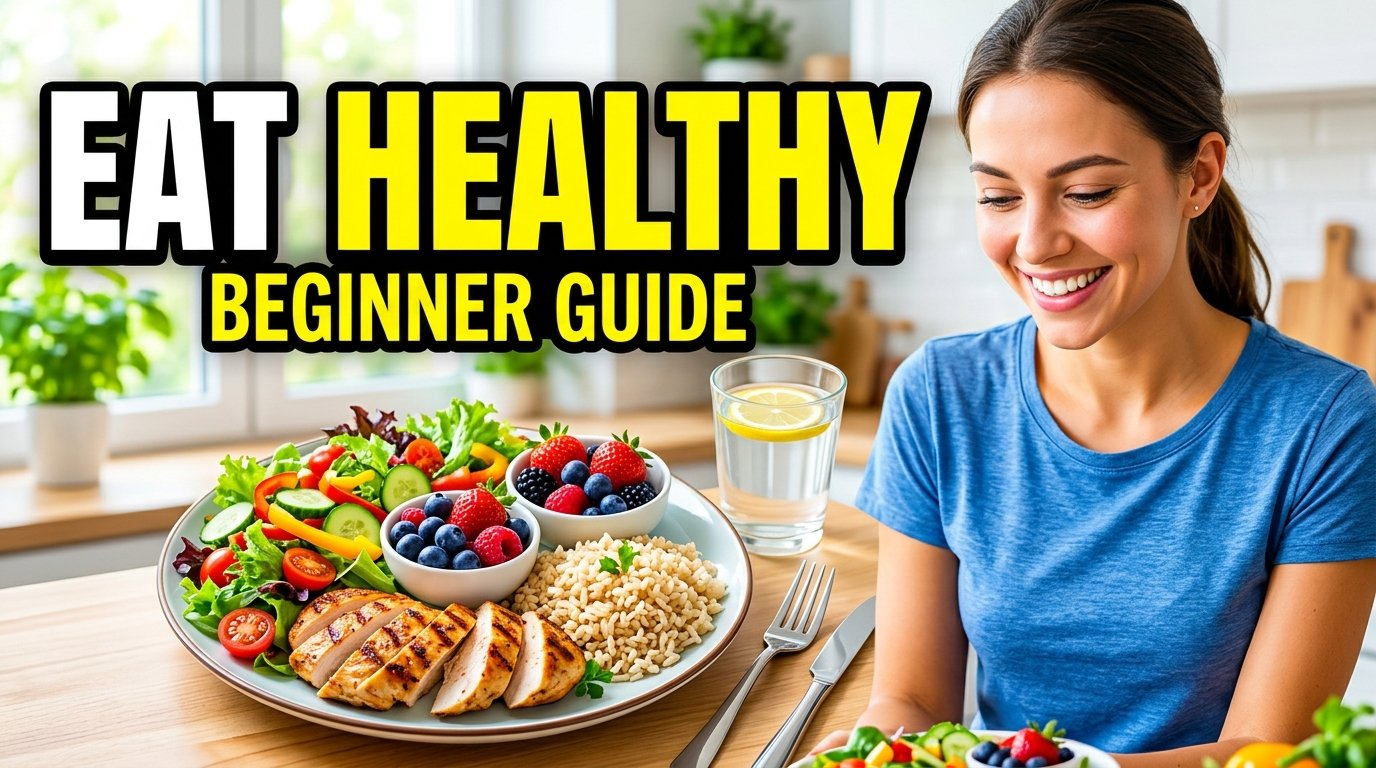
A simple balanced meal may include:
- Vegetables or fruit
- A protein source
- A carbohydrate source
- A source of healthy fat
For example:
- Grilled protein
- Vegetables
- Rice or another grain
- A small portion of healthy fat
The exact foods can vary according to your culture, budget, and preferences.
16. Choose Healthy Snacks
Snacks can be part of a balanced eating pattern.
Examples may include:
- Fruit
- Yogurt
- Nuts
- Seeds
- Vegetables
- Whole-grain foods
The best choice depends on your personal dietary needs.
Planning snacks can help reduce the temptation to choose food impulsively when you are extremely hungry.
17. Avoid the All-or-Nothing Mindset
One unhealthy meal does not ruin your entire diet.
You do not need to eat perfectly every day.
A healthy eating pattern allows flexibility.
You can enjoy special foods while still focusing on nutritious choices most of the time.
The goal is consistency, not perfection.
Common Healthy Eating Mistakes
Skipping Meals Without a Plan
Some people skip meals and later become extremely hungry.
This may lead to overeating.
Following Every Online Diet Trend
Not every diet trend is suitable or supported by reliable evidence.
Eliminating Entire Food Groups Without a Reason
Removing foods unnecessarily may make eating more difficult.
Ignoring Portion Sizes
Even nutritious foods should be consumed in appropriate amounts.
Expecting Instant Results
Healthy habits often require time and consistency.
A Simple Healthy Eating Plan for Beginners
Breakfast
Choose a combination of nutritious foods such as:
- Protein
- Fruit
- Whole grains
Lunch
Include:
- Vegetables
- Protein
- A filling carbohydrate source
Dinner
Aim for a balanced meal with a variety of foods.
Snacks
Choose options that fit your hunger and dietary needs.
The exact foods you choose depend on your preferences and circumstances.
Final Thoughts
Healthy eating does not need to be complicated.
Focus on eating a variety of foods. Include fruits and vegetables. Choose nutritious protein sources. Add healthy fats and fiber-rich foods. Drink enough fluids and reduce excessive intake of added sugar.
Plan meals when possible and learn to recognize your eating habits.
Most importantly, avoid the idea that healthy eating requires perfection.
Small improvements made consistently can create meaningful long-term changes.
Start with one simple habit today.
You might add more vegetables to one meal, drink more water, prepare food at home, or plan your meals for the next day.
Over time, these small habits can become part of a healthier lifestyle.
Medical Disclaimer: This article is for general educational and informational purposes only. It is not personalized medical or nutritional advice. Individual dietary needs vary, especially for people with medical conditions, allergies, pregnancy, or specific health goals. Consult a qualified healthcare professional or registered dietitian for personalized guidance.